Technical Guide

Networks and Cybersecurity, Cloud Computing

Networks and Cybersecurity
Networks and Cybersecurity Image

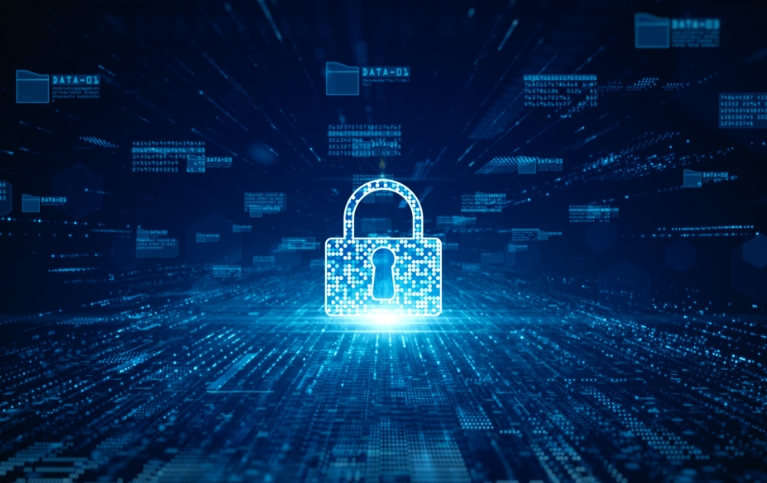
Networks form the backbone of modern communication, enabling the seamless transfer of data across devices and systems. However, with this connectivity comes the critical challenge of cybersecurity. As cyber threats grow more sophisticated, securing networks has become a top priority for organizations and individuals alike. Cybersecurity encompasses measures such as firewalls, encryption, intrusion detection systems, and advanced threat intelligence to safeguard sensitive data and maintain privacy. It also involves educating users on safe practices to prevent breaches. In a world increasingly reliant on digital infrastructure, robust networks and cybersecurity frameworks ensure the reliability and safety of our interconnected systems, protecting both personal and organizational assets.
Cloud Computing

Cloud Computing Image

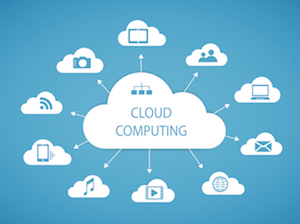
Cloud computing has revolutionized how businesses and individuals store, access, and process data. By offering scalable and on-demand resources over the internet, it eliminates the need for extensive on-premises infrastructure. Cloud services, categorized as Infrastructure as a Service (IaaS), Platform as a Service (PaaS), and Software as a Service (SaaS), empower users to innovate, collaborate, and deploy applications faster. Security and cost-efficiency are key advantages, although data privacy and compliance remain challenges. As industries embrace digital transformation, cloud computing serves as a catalyst for growth, enabling advanced technologies like artificial intelligence, machine learning, and big data analytics to thrive in a flexible and dynamic environment.

Data Structures and Algorithms, Internet of Things

Data Structures and Algorithms: The Invisible Architects of Technology

Data Structures and Algorithms (DS&A) are the backbone of every efficient software system. They provide structured ways to store, process, and retrieve data, ensuring speed and accuracy. For instance, sorting algorithms organize massive datasets in seconds, while binary trees and hash maps enable quick data lookups. Whether it’s recommending products on e-commerce platforms or finding the shortest route on a map, DS&A empower technology to perform tasks that feel effortless to us. They turn complex operations into streamlined solutions, making them indispensable in solving real-world problems with precision and reliability.

Internet of Things: Crafting a Smarter, Connected World

Internet of Things Image

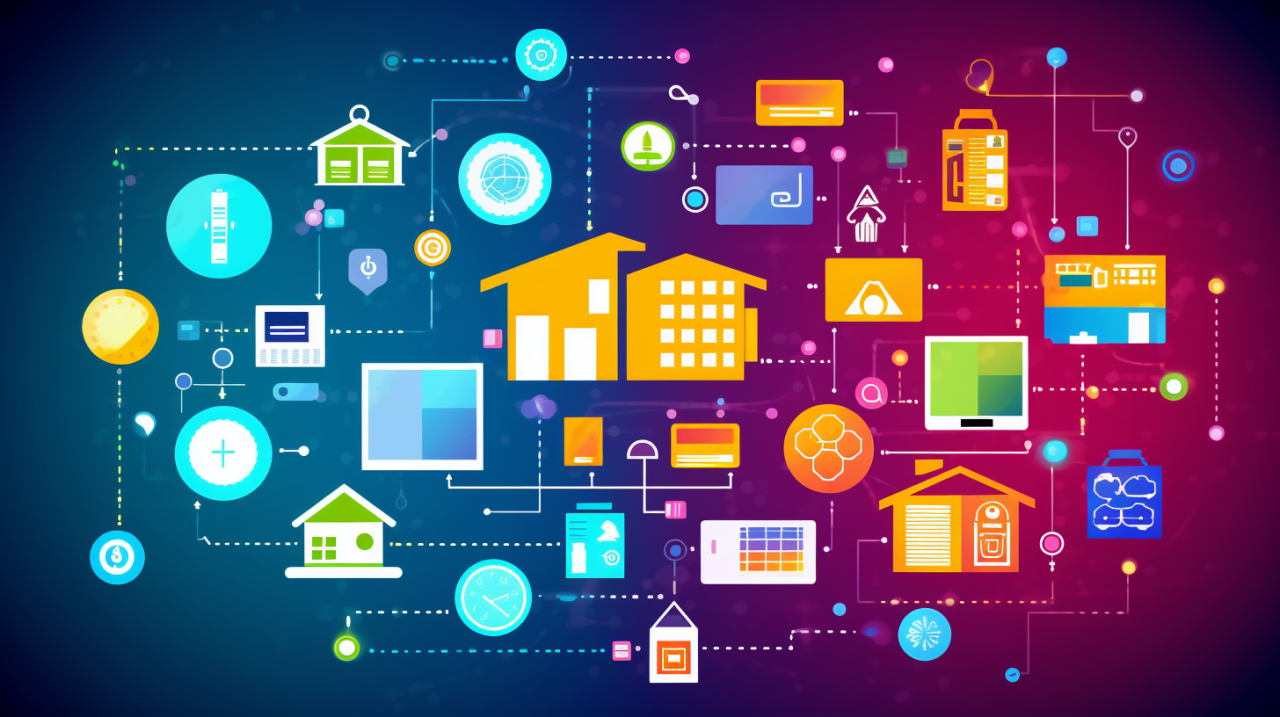
The Internet of Things (IoT) is reshaping our world by bringing intelligence to everyday devices. Through IoT, sensors and gadgets collect real-time data, enabling systems to make smarter decisions. Imagine a smart thermostat that adjusts room temperature based on weather conditions or wearable devices monitoring your health. These interconnected devices create an ecosystem where efficiency and convenience thrive. IoT is not just about automation—it’s about transforming how we interact with the world, making it more adaptive, responsive, and connected. From homes to industries, IoT is redefining possibilities, making the future smarter and more sustainable.

DBMS, Operating Systems

DBMS

A Database Management System (DBMS) is software that allows users to store and retrieve data in a structured manner. It supports consistency, reduces redundancy, and ensures integrity in data. DBMS provides an easy interface for the creation, querying, and administration of a database. It supports several users simultaneously through concurrent access, thereby ensuring security and efficient sharing of data. Types of DBMS are relational (RDBMS), hierarchical, network, and object-oriented databases. Popular examples include MySQL, PostgreSQL, MongoDB, and Oracle. Features like transaction management and backup mechanisms make DBMS indispensable for enterprise-level applications. It also supports Structured Query Language (SQL) for efficient database interaction and management.

Operating Systems

Operating System Image

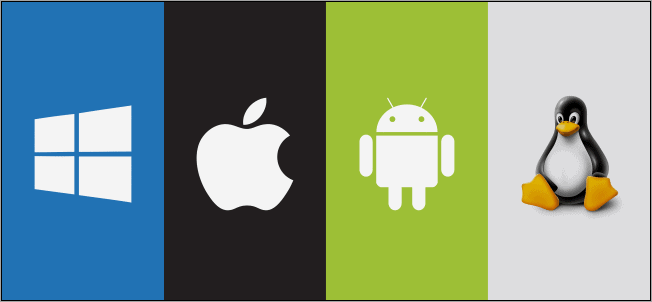
An Operating System (OS) is the basic software that controls a computer's hardware and software resources, allowing users to interact with the system. It performs important functions such as process scheduling, memory management, and file handling. The OS ensures efficient resource utilization and provides a stable platform for application execution. It includes user interfaces like command-line (CLI) or graphical (GUI). Key features are multitasking, multi-user support, and security. Some types of OS include real-time, distributed, and mobile. For example, Android, iOS, and Windows are examples of types of OS. It connects the software and hardware parts to make smooth running of the systems.