Cybersecurity Enhancements
As cyber threats grow increasingly sophisticated, enhancing cybersecurity measures has become a global priority. Modern advancements focus on proactive threat detection using artificial intelligence and machine learning to identify anomalies and prevent breaches. Zero Trust Architecture, which emphasizes strict access controls and continuous verification, is revolutionizing organizational security frameworks. However, these advancements face challenges, such as balancing user convenience with robust security protocols and addressing the ever-evolving tactics of cybercriminals. Collaboration between governments, industries, and academia is vital to developing comprehensive strategies. By investing in cybersecurity enhancements, we can protect sensitive data, maintain privacy, and ensure the resilience of digital infrastructure in an interconnected world.

"Protecting the digital world, one innovation at a time!"
Quantum Computing
Quantum computing represents a paradigm shift in technology, harnessing the principles of quantum mechanics to solve problems beyond the reach of classical computers. With capabilities like exponential processing power, quantum computing has the potential to revolutionize fields such as cryptography, drug discovery, and complex simulations. However, it also brings challenges, including the need for stable qubits, error correction, and scalable systems. Quantum computing's impact on cybersecurity is significant, as it could render traditional encryption obsolete, necessitating the development of quantum-resistant algorithms. Despite these hurdles, ongoing research and innovation are paving the way for a future where quantum computing transforms industries and accelerates scientific discovery.

"Exploring the next frontier in computational power!"
Blockchain and Decentralized Technologies
Blockchain, the backbone of decentralized technologies, is a distributed ledger that ensures data immutability and transparency. While it is widely known for powering cryptocurrencies like Bitcoin and Ethereum, its applications extend far beyond finance. In the financial sector, decentralized finance (DeFi) and smart contracts are revolutionizing traditional systems by removing intermediaries and enabling trustless transactions. Blockchain is also transforming supply chain management by providing real-time transparency and traceability, helping to reduce fraud and inefficiencies. In healthcare, it secures sensitive patient data, enabling safer sharing among stakeholders. Looking ahead, blockchain’s integration with the Internet of Things (IoT) and Artificial Intelligence (AI) could unlock even more possibilities, while advancements in scalability and interoperability will help overcome current limitations. These developments will make blockchain a cornerstone of future technological ecosystems.
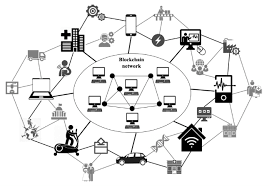
"Decentralizing trust and transforming industries!"
Extended Reality (XR)
Extended Reality (XR) is an umbrella term that encompasses Virtual Reality (VR), Augmented Reality (AR), and Mixed Reality (MR), blending the physical and digital worlds to create immersive experiences. XR is transforming industries, from gaming and entertainment to education and healthcare. In gaming, XR provides players with deeply engaging, interactive environments. In education, virtual labs and immersive simulations enable students to learn through hands-on experiences without the need for physical resources. Healthcare is leveraging XR for purposes like surgical training, physical therapy, and patient rehabilitation. The technology is also being adopted in retail and manufacturing for tasks such as product visualization and virtual prototyping. Future advancements in XR hardware, such as lighter and more affordable headsets, will further drive its adoption. As XR becomes more accessible, it is poised to redefine how we work, play, and interact with the world around us.
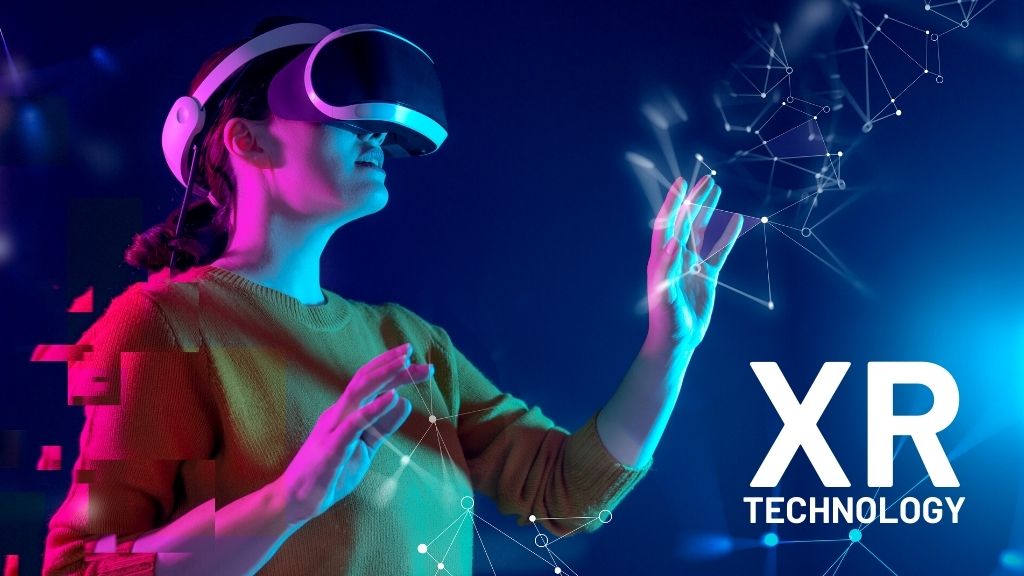
"Blurring the lines between the physical and digital worlds!"